Electrical Examination Orange County: Comprehensive Safety Checks
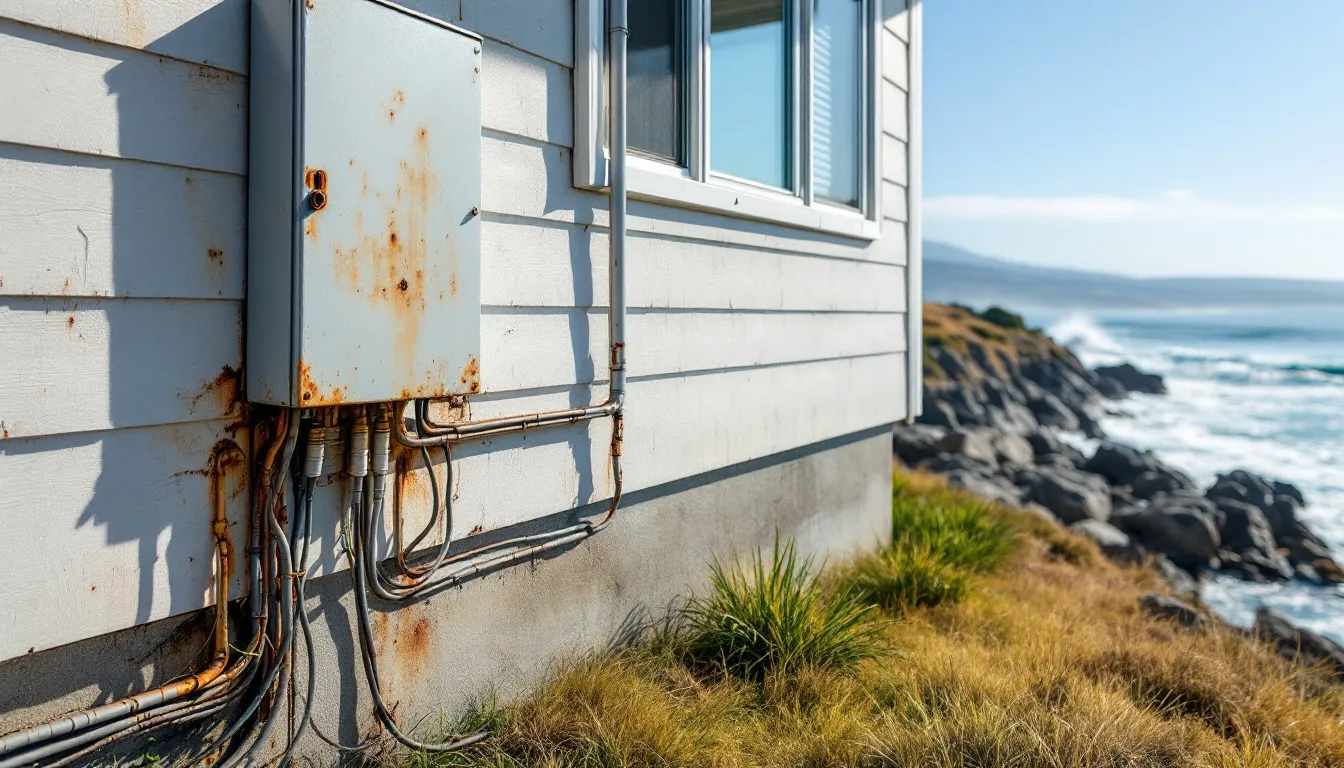
If you live or operate in Orange County, you already understand our buildings see https://arthurospz351.cloudhinter.com/posts/orange-county-electrical-security-look-for-older-residences lots of stress. Salt air near the coast, hot attics through summer season, remodels stacked on remodels, and ever-growing electrical loads from EV battery chargers, home offices, and yard amenities. An extensive electrical inspection is not a luxury here. It is the difference in between a system that serves you quietly for years and one that stops working on the most popular afternoon or, even worse, puts your space at risk.
As a certified electrician who has opened countless panels from Seal Beach to San Clemente, I can inform you the story of a home's electrical wiring is composed in details. The panel label tells you its period. The neutrals reveal if anyone cut corners. The attic junctions betray whether a previous owner do it yourself 'd a remodel. A correct electrical assessment in Orange County takes some time and judgment, and it needs to tie directly to a plan for security, reliability, and code compliance.
What a thorough evaluation really covers
A genuine inspection goes beyond a glimpse at the lights and a flip of a few breakers. It mixes measurement, visual checks, and code-based assessment. Here is the high-level framework expert crews use across the county.
- Service and panel assessment, including load computations, condition of the main breaker, bus stability, labeling, bonding, grounding electrode system, and any signs of getting too hot or corrosion.
- Branch circuit review for proper overcurrent security, conductor condition, junction box stability, and gadget grounding or bonding.
- Life-safety device confirmation, consisting of GFCI and AFCI coverage where required, smoke and carbon monoxide gas device power and interconnect, and surge defense strategy.
- Equipment and appliance checks, from EV chargers and day spa subpanels to a/c disconnects, pool bonding, and kitchen area or laundry circuits that see heavy everyday use.
- Exterior and low voltage review, including outdoor lighting, landscape transformers, ring doorbells and cameras, interaction cabling, and any exposed conductors or scrubby enclosures.
On a normal single-family home, a skilled residential electrical expert in Orange County will spend one to two hours on site, more if the home has additions or accessory residence systems. Little business suites can take a similar quantity of time, but occupant improvements, three-phase equipment, or rooftop devices can extend the process.
Why Orange County environments require sharper eyes
Local conditions form how electrical systems age. Coastal homes see rusted lugs and neutral bars long before inland equivalents. Attic temperatures in August can drive insulation beyond its rating, particularly where older NM cable television runs across recessed lighting cans that were never IC ranked. Tracts from the 60s to early 80s sprayed throughout Anaheim, Garden Grove, and Huntington Beach frequently keep Federal Pacific Electric or Zinsco panels that test fine on a peaceful day yet exhibit known failure modes under fault conditions. I have actually pulled breakers from these panels that looked normal until heat screening exposed they were not tripping within spec.
Commercial plazas face their own pressures. Convenience outlets on structure outsides are frequently unguarded, landscapers nick buried channels, and tenant build-outs include multiwire branch circuits with shared neutrals that are not constantly tied to a double-pole breaker, a code miss out on that can overheat conductors without tripping.
An assessment grounded in Orange County experience catches these regional patterns. A generic lookover misses them.
Code touchpoints that matter during an inspection
California follows the California Electrical Code, based upon the NEC with state amendments. Cities and the county impose regional ordinances, and lots of align carefully with the current code cycle, though enforcement lags throughout shifts. Title 24 energy requirements influence lighting controls, including job sensors and high-efficacy components, which in turn shape how lighting installation in Orange County is evaluated during remodel inspections.
For life safety, GFCI security is needed in bathrooms, garages, outside outlets, laundry areas, and kitchen areas serving counter tops. AFCI protection is required for most 120-volt, 15 and 20 amp branch circuits in house units. If your bedroom receptacles lack AFCI, that flags the requirement for an upgrade. Some services can be achieved with breaker swaps, others need device-level protection or circuit reconfiguration, and a certified electrical contractor in Orange County can judge the best retrofit approach offered panel area and grounding conditions.
Grounding and bonding generally need a close appearance. Older homes typically have a single ground rod where 2 are now needed or lack bonding to the water service because of repiping to PEX. Pool systems should have an appropriate equipotential bonding grid. I have actually measured touch capacities around pool decks in Mission Viejo that justified immediate corrective work long before anything was visibly wrong.
What inspectors gain from your primary panel
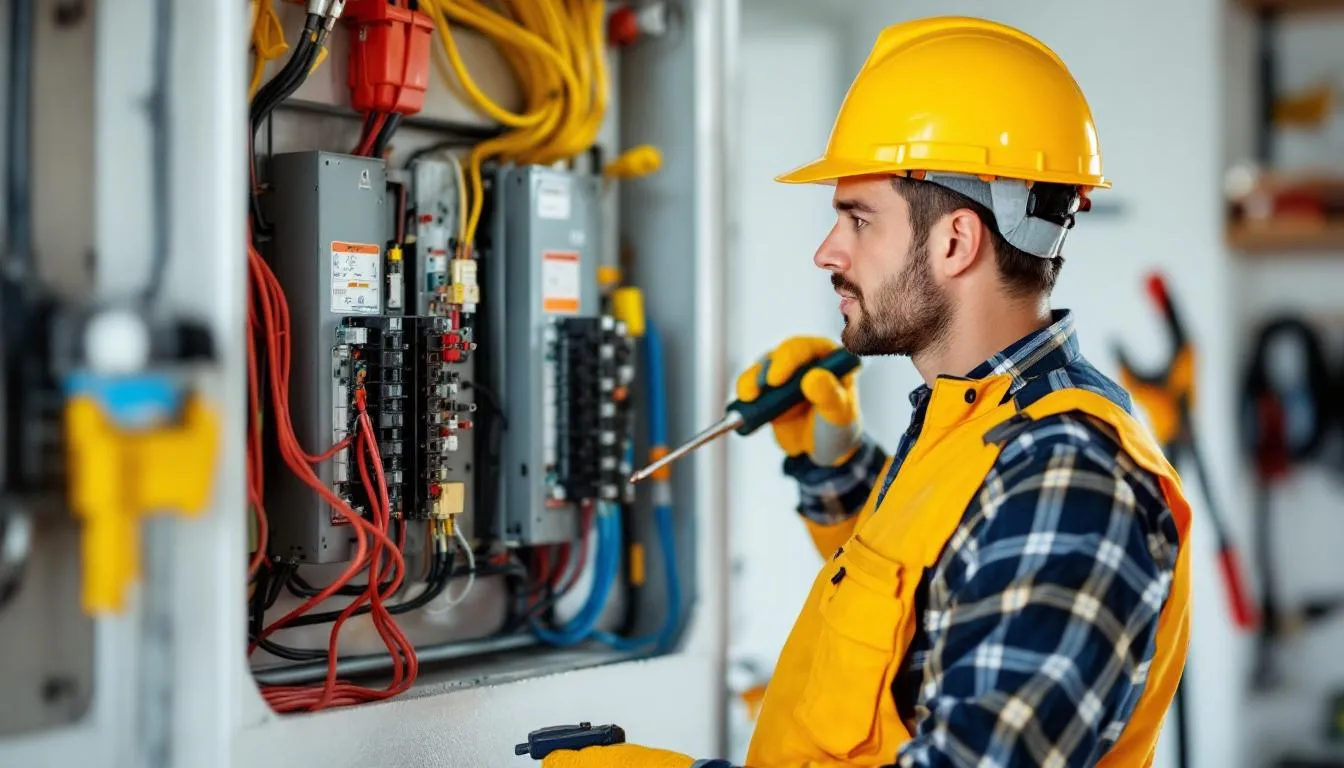
Open the door and you can read the system. Labeling tells you whether anybody cared. Double-lugged neutrals, aluminum branch conductors landed under lugs not rated for them, entire rows fed by tandem breakers in slots not approved for twins, missing out on clamp bushings where feeders get in the can, and swelter marks on the bus where a stab overheated after years of loose engagement. These are not cosmetic. They are early warnings.
In older Orange County areas, 100 amp services made sense when a home carried 2 window air conditioner units and a gas clothes dryer. Add an electric vehicle battery charger, a swimming pool pump, and a modern-day kitchen, and you run out headroom. A standard electrical panel upgrade in Orange County brings you to 200 amps with adequate spaces for AFCI and GFCI breakers, space for a whole-home rise protective gadget, and capability for future solar backfeed. When we propose panel replacement in Orange County, we factor energy coordination with Southern California Edison or, for some addresses, Anaheim Public Utilities, meter relocation guidelines, and weatherproofing if the gear sits outdoors on a seaside wall.
EV chargers, solar, and the new electrical load profile
Electric lorry adoption is climbing quick here. An EV battery charger installation in Orange County frequently triggers the first severe look at your home's load. A Level 2 electrical car charger, usually on a 40 to 60 amp circuit, can push a minimal service over the edge. Load calculations are not guesswork. We utilize the optional approach in the code when it assists, however the numbers should be defensible. If the math is tight, demand management devices or a panel upgrade are sensible paths. For multi-family buildings, channel capacity, meter socket rankings, and common location load variety entered play. An industrial electrical contractor in Orange County will also think about EVSE network requirements and devoted data lines or low voltage circuitry to support them.
Solar affiliations present their own constraints. Bus score, main breaker sizing, and 120 percent rules identify whether a supply-side tap or a line-side connection is practical. An electrical evaluation must examine whether the current equipment will accept solar securely, not simply whether somebody can make a license stick.
Kitchens, baths, and renovate layers
Remodels are where previous work frequently hits new gadgets. I have opened junction boxes in Laguna Niguel kitchen areas where five cables were wirenutted under a single yellow port, then packed behind an integrated microwave. Code requires box fill computations and accessible junctions. GFCI defense on cooking area countertop circuits is necessary, and contemporary cooking areas generally need at least two 20 amp little device circuits. When counters get extended or islands added, I look for whether the outlet spacing and defense follow existing requirements without producing annoyance trips.
Laundry spaces and bathrooms see moisture and combined loads. Inspections confirm devoted circuits for laundry devices and GFCI protection for bathroom receptacles, in addition to the correct separation of neutrals and premises in subpanels serving additions above garages or yard studios.
Lighting, from recessed cans to backyards
Recessed lighting in Orange County homes runs the gamut, from early non-IC cans under blown-in insulation to modern-day sealed LED modules. Old cans can get too hot or leak conditioned air into the attic. I frequently advise retrofit trims that bring effectiveness and temperature performance approximately present expectations without a full tear-out. Outside lighting matters too. Rusted light holders, stopping working in-ground well lights, and undersized landscape transformers can trip breakers or produce shock hazards after watering runs. Throughout an examination, we megger doubtful circuits where moisture invasion is suspected and confirm that all outside receptacles have in-use covers and GFCI protection.
Commercial lighting evaluations include Title 24 manages, from occupancy sensors to daylighting zones in office suites. For warehouse or back-of-house locations, verifying high-bay circuit load and the existence of proper disconnects near devices cuts fixing time later.
Smart home and low voltage information that still affect safety
Smart home electrical wiring in Orange County is typically an afterthought layered by different suppliers. Doorbells connected into a buried transformer spliced in a wall cavity, electronic camera power taps run from attic junctions without pressure relief, and PoE switches overheating in cramped media cabinets. These systems might be low voltage, yet they still require correct raceways and terminations to prevent fire hazards and consistent nuisance failures. Throughout evaluations we search for exposed LV cables near high-voltage conductors, inadequate bend radii, and unlisted power supplies.
Rental home and small business realities
Landlords and small business owners face unique pressures. For leasings, fast turnovers can hide deferred maintenance. I remember a Costa Mesa duplex where renters reported periodic blackouts. The culprit was an oxidized split-bolt on an overhead service drop, combined with a loose neutral bar in the meter-main. An emergency electrical expert in Orange County addressed the instant security risk the exact same day, then set up a panel replacement and service update to restore stability. A quick fix without a full evaluation would have left the property one summertime storm far from another blackout and potential devices damage.
For little retail and workplace suites, code changes can trail renter improvements by years. Numerous remodels can lead to subpanels daisy-chained further than anyone expects, with blended grounding courses and mislabeled circuits. A business assessment confirms three-phase loads are balanced, devoted circuits exist for point-of-sale systems, and that egress and emergency situation lighting act correctly on power loss. These steps prevent mystery interruptions throughout peak hours.
When a same day or 24 hour reaction is worth it
Most issues can wait on a scheduled check out. Some can not. If you smell burning at the panel, see arcing at an outlet, lose one leg of your service, or find a hot outlet faceplate, those certify as emergency situations. A 24 hour electrician in Orange County should triage by phone, recommend you on instant security actions, and dispatch with the best gear. Oftentimes, an emergency situation crew will support the system, then prepare a follow-up repair work throughout daytime hours when utility coordination is possible.
I have actually managed overnight calls where a stopped working primary breaker left half a home dead and a half-melted lug under load. We isolated the fault, brought the home to a safe partial power state, and replaced the meter-main the next early morning when SCE pulled the meter. That sequence matters. Hurrying an irreversible fix at 2 a.m. Without energy clearance can create larger problems than it solves.
A brief homeowner pre-inspection checklist
You can assist the procedure run efficiently with a few basic actions before your electrical contractor arrives.
- Clear access to the main panel, subpanels, attic scuttle, and any mechanical spaces or closets with electrical gear.
- Make a quick list of known concerns, such as tripping breakers, flickering lights, or specific outlets that feel warm.
- Locate recent licenses or past electrical invoices, particularly for panel replacements, solar, or EV chargers.
- Unlock side gates and make sure canines are protected so outdoor receptacles, air conditioning disconnects, and pool equipment can be checked.
- If safe, test GFCI and AFCI devices ahead of time and keep in mind any that do not reset.
These small steps conserve 15 to 30 minutes on site and result in a cleaner, more accurate report.
What occurs during the see, action by step
Clients frequently ask what we really carry out in the field. While every task is various, a structured method keeps nothing overlooked.
- Interview and walk-through to comprehend signs, additions, and heavy-use areas like the kitchen area, office, and garage.
- Panel open-up, infrared scan, torque examine accessible lugs, examination of labeling, bus condition, bonding, and surge protection.
- Circuit sampling and gadget testing, including polarity, grounding, and GFCI or AFCI function, with strategic receptacles opened to inspect box fill and splices.
- Attic, crawl, and exterior study to catch hidden junctions, harmed avenues, or moisture-related degradation near eaves and pipe bibs.
- Findings examine, images, and a prioritized strategy that separates must-do security products from performance upgrades and long-lasting improvements.
Good communication at this stage matters. A regional electrical contractor in Orange County must translate code language into clear dangers and advantages, then price choices transparently.
Common recommendations after inspections
Not every home needs a panel upgrade. Some require smaller, targeted repairs that provide outsized gains in security and dependability. Switching a handful of breakers for combination AFCI or dual-function gadgets can safeguard sleeping areas and living areas. Changing a rusted exterior subpanel beside a swimming pool devices pad can stop ground faults that trip every time the salt cell kicks on. Upgrading restroom and kitchen area GFCIs that no longer journey within specification is affordable and meaningful.
For lighting, I typically suggest transforming old recessed cans to sealed LED retrofits. It reduces attic heat load on conductors, satisfies Title 24 efficacy, and eliminates loose trims that shed insulation. In older homes wired with multiwire branch circuits, a corrective change to deal with ties or a proper two-pole breaker is a little fix with big security implications.
Whole home rewiring in Orange County is often the ideal call, particularly when fragile cloth-insulated conductors or widespread bootleg premises are discovered. The work is disruptive, so we phase it room by room and frequently combine it with patch and paint to lessen the overall burden on the homeowner.
Costs and sensible timelines
Pricing depends on size, gain access to, and findings. A straightforward electrical evaluation in Orange County typically varies from about 149 to 350 for a residence, more for multi-unit or business spaces, especially if the report must please insurance coverage or a realty deal. Panel upgrades to 200 amps typically land between 2,500 and 5,500 for basic meter-main replacements with clear access, though coastal rust, service relocations, or trenching can push that greater. Dedicated 240-volt circuits for EV charger installation in Orange County often cost 700 to 2,000, depending upon panel proximity and wall finishes. Entire home rewiring can span from the high single thousands into the twenties for bigger homes with plaster walls or limited attic space.
Timelines follow allowing and utility schedules. Numerous cities in Orange County reverse basic electrical licenses in a couple of days, though some strategy checks for service modifications or industrial projects can take longer. Southern California Edison coordination for service upgrades is normally workable within one to 3 weeks depending upon crew accessibility. Exact same day electrical expert services work well for diagnostics, little repairs, or safety corrections that do not require permits.
Selecting the ideal professional
Look for a certified electrical expert in Orange County with proven experience in your city. Newport Beach and Irvine inspectors tend to be exacting about labeling and Title 24 controls. Huntington Beach and San Clemente bring coastal corrosion into play. Ask for before and after images of current panel replacements, examples of load calculations for EV setups, and recommendations from comparable residential or commercial properties. Top ranked electrical expert teams record well, describe compromises, and do not oversell.
Avoid the trap of choosing solely on a rock-bottom price. A budget-friendly electrician in Orange County is one who designs the scope well, avoids callbacks, and establishes your home or company for the next decade of needs. If you require quick help, an exact same day electrical expert can stabilize concerns, however do not skip a correct follow-up evaluation to attend to root causes.
Real cases from the field
An Objective Viejo house owner called about a buzzing breaker. The panel housed a Zinsco, clean to the eye, but the main breaker showed heat staining. Infrared scanning revealed a hotspot 40 degrees above ambient on a gently loaded afternoon. We set up a panel replacement and upgraded grounding with 2 rods and a water bond. The property owner later on added a 50 amp electric vehicle charger without a hiccup, proof that solving the core restriction pays dividends.
In Anaheim, a little bakeshop suffered random oven resets at lunchtime. The subpanel fed from a long run lacked a proper equipment ground, and the neutral return to the main panel was undersized. After we installed a correctly rated feeder with separate neutral and ground and moved vital loads to dedicated circuits, the secret interruptions ended. Efficiency went up, not due to the fact that of brand-new ovens, but because the electrical foundation finally matched the load.

A Laguna Beach rental had GFCIs that never tripped during testing. The basement outlets were bootlegged, neutrals connected to premises inside old metal boxes. We remedied the circuitry, set up new GFCI and dual-function breakers, and changed rusty exterior receptacles with in-use covers. The owner called it the quietest summer in years. No annoyance trips, no calls from guests, and a tidy insurance coverage renewal thanks to a recorded electrical inspection.
The value of continuous maintenance
Electrical systems age slowly up until they fail rapidly. If your home is more than twenty years old, devote to a periodic check, especially after huge modifications like kitchen area remodels, new a/c, or solar and EV additions. Businesses with heavy seasonal loads must set up examinations before peak season. Property managers benefit from an annual sweep that captures loose lugs, expired surge protectors, and moisture intrusion early. These are little, predictable costs that avoid large, disruptive ones.
For house owners, one wise rhythm is simple. After any significant install, such as an EV charger or panel replacement, schedule a six-month follow-up torque and thermal check, then return to a 2 to 3 year cycle unless signs appear. Keep your panel location dry and clear, test GFCI and AFCI devices monthly if available, and take flickers or regular trips seriously instead of adapting to them.
Where services fit beyond inspections
A thorough assessment frequently causes focused improvements that enhance convenience and security. Outlet setup in Orange County homes that do not have practical power in home offices can be done cleanly with appropriate fire blocking and AFCI security. Ceiling fan installation that includes box rating checks and vibration-damping hardware minimizes long-lasting noise complaints. For yards, outside lighting in Orange County needs listings for wet locations and wise control programming that respects Title 24 timing, while also surviving watering overspray and seaside air. Generator installation must represent transfer equipment, gas supply, and sound restrictions in tight communities. Electrical troubleshooting that utilizes metering, load logging, and thermal imaging cuts guesswork and prevents unnecessary parts swapping.
Local experience ties it all together. A capable Orange County electrical contractor can diagnose easily, communicate choices, and perform work that stands the test of time.
Final ideas from the field
A great electrical examination is peaceful, methodical work. It leaves you with realities, context, and a strategy. It does not rely on scare techniques. It appreciates that not every code upgrade validates an instant retrofit, yet it names the products that do, particularly where shock or fire threat exists. Whether you search for an electrician near me Orange County for a fast check or you are prepared for a complete electrical panel upgrade, focus on groups that show their work. Photos, measured values, and clear labeling are the marks of professionals.
Buildings across Orange County are as varied as individuals who live and operate in them. The right assessment tailors itself to the home in front of you, not a checklist printed years back. Succeeded, it supports whatever that happens under your roof, from the very first coffee before dawn to the last yard light that clicks off after visitors head home.