Committed Circuit Setup Orange County: Appliances and A/C
If you own a home or run a small company in Orange County, you currently understand how hard your electrical system works. A/c runs for long stretches through late summer season, cooking areas have ended up being tiny commercial workstations, and garages typically double as health clubs or workshops. The result is foreseeable: more heavy loads running at the same time, more problem breaker journeys, and more heat at the panel than the builder ever prepared for. Devoted circuits fix those issues by giving high‑demand devices its own protected path to power. Set up correctly, they decrease tripping, extend devices life, and keep you within code.
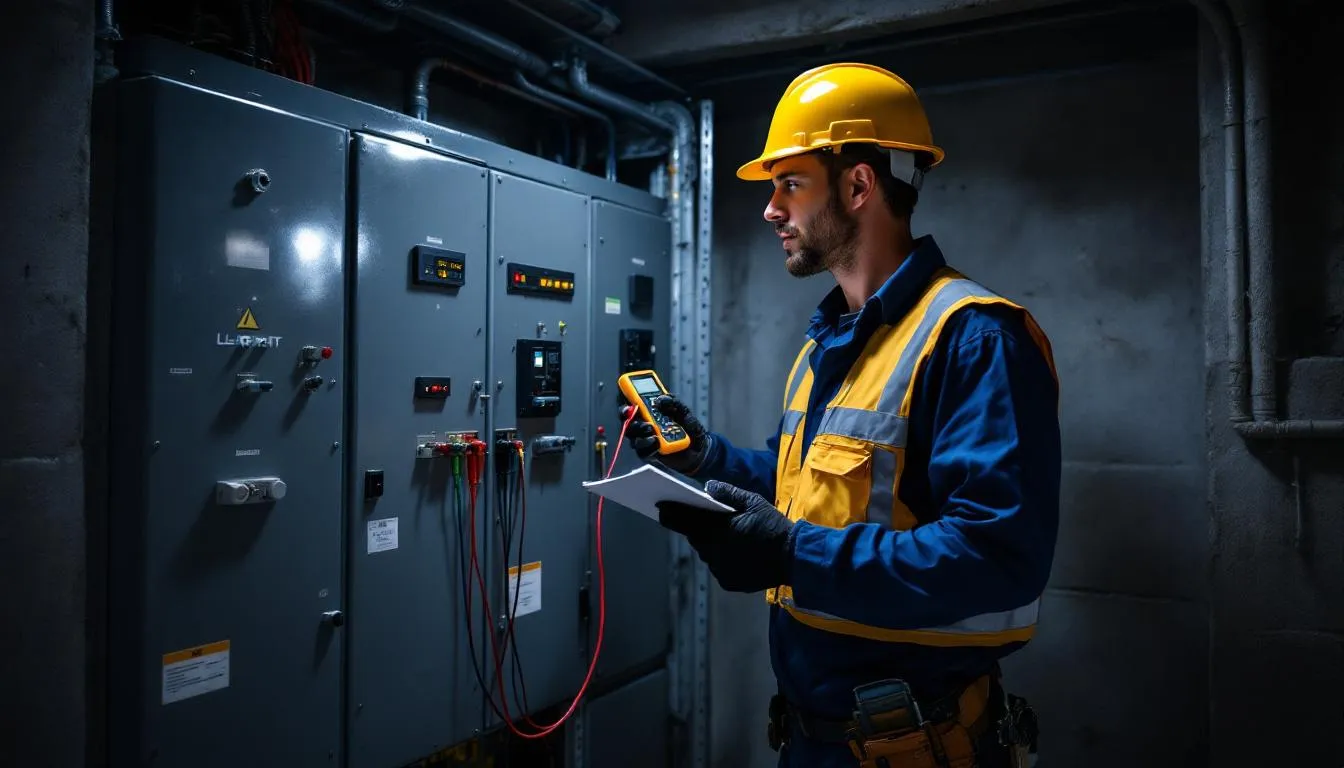
I have actually pulled numerous devoted circuits throughout Costa Mesa cottages, Santa Ana fourplexes, Irvine townhomes, and Laguna Niguel hillside homes. The pattern is the same whether you are a homeowner searching for an electrician near me Orange County, or a facility manager calling a commercial electrician Orange County: when in doubt, isolate the heavy player. You will get better performance and less headaches.
What a dedicated circuit in fact is
A dedicated circuit is a branch circuit that serves a single appliance or piece of equipment. It has its own breaker at the panel, sized and wired for a specific load. No other receptacles or lights are allowed on it, which implies the ampacity, conductor size, and overcurrent security can be matched to what that device needs.
A well designed devoted circuit begins with the nameplate. Every air handler, condenser, oven, or microwave notes its voltage, current, and frequently minimum circuit ampacity, labeled MCA, and optimum overcurrent protection, labeled MOCP. We size the conductors to a minimum of the MCA and the breaker no larger than the MOCP. That combination keeps startup inrush from tripping the breaker, yet secures the wire if something goes wrong.
Why this matters in Orange County homes
Homes built in the 1950s through the 1970s throughout Orange, Garden Grove, and Westminster typically have 60 to 100 amp services, sometimes with panels that have restricted breaker spaces and no room for GFCI or AFCI technology. System homes from that period were wired for a couple of counter https://rentry.co/note3o27 top devices and a single compressor outside. Fast forward years. The average household now runs a built‑in microwave, high‑efficiency dishwashing machine, wine refrigerator, toaster, espresso machine, and a larger a/c, typically alongside a heatpump water heater or an electrical vehicle battery charger in the garage. Sharing general lighting circuits with those loads is a dish for dimming lights and tripped breakers.
One Huntington Beach remodel stands apart. The customer had a 1,650 square foot house with a 100 amp panel. The kitchen upgrade included a wall oven, a microwave drawer, and an induction cooktop. On the first weekend of use, the microwave would trip a 15 amp shared circuit whenever the espresso grinder kicked on. We separated the microwave onto its own 20 amp circuit with 12 AWG copper, ran a 40 amp two‑pole circuit for the induction, and included a 30 amp circuit for the oven. The panel was tight, so we set up a subpanel next to it. Tripping stopped, and more significantly, the conductors and breakers were now sized properly for the devices, not squeezed into the old lighting branch.
A/ C and heatpump circuits, done correctly
Air conditioning is the most common factor people call an Orange County electrician for a dedicated circuit. Compressors have high inrush existing at start-up, and they are delicate to voltage drop. The majority of condensers in our location list an MCA somewhere in between 18 and 40 amps, with MOCP between 25 and 50 amps. A typical 3‑ton condenser may call for a 30 or 35 amp breaker and 10 AWG copper on a 240 volt circuit. Mini split systems vary, with lots of 12 to 15 kBTU heads requiring 15 to 20 amp 240 volt circuits.
What trips people up is distance and temperature. Run 80 feet to the side lawn in August and the wire warms up, which increases resistance and voltage drop. For a 35 amp load running 80 to 100 feet, I frequently upsize from 10 AWG to 8 AWG copper to keep voltage drop under 3 percent. That costs a bit more in copper however pays off in fewer nuisance trips and smoother compressor starts. Another common oversight is the disconnect at the unit. Code requires a lockable detach within sight of the condenser or heat pump, with clear working clearance. I see a lot of condensers tucked behind shrubs with the detach half buried. We repair those during the circuit install, both for security and to avoid issues during the electrical examination Orange County jurisdictions require.
When the client selects electrification, state adding a heat pump water heater or transforming from gas to an all‑electric heat pump system, the load profile changes a lot. The air handler might need a 15 to 20 amp 120 volt circuit, and the outdoor system might need 30 to 50 amps at 240 volts. A licensed electrician Orange County will read the submittals from the a/c contractor carefully and collaborate conductor size, breaker size, and sequencing so that whatever lands in the panel cleanly.
The short list of home appliances that usually require their own circuit
- Central ac system or heatpump, consisting of mini splits with dedicated outdoor units
- Electric range, wall oven, or induction cooktop
- Microwave ovens above 1,000 watts, specifically built‑ins or drawer models
- Laundry devices, consisting of electric clothes dryers and often washers where GFCI or committed convenience is preferred
- Dishwashers and disposals, normally on different circuits or on 2 circuits with a handle‑tied duplex if the manufacturer permits it
That list is not exhaustive. Tankless electrical hot water heater, health club pumps, workout equipment like treadmills, high‑end toasters and espresso machines, and garage door openers in series can all validate dedicated runs. A residential electrician Orange County will take a look at your specific model numbers and use patterns before deciding.
Orange County codes, permits, and inspections
California follows the California Electrical Code, which is based on the NEC with state changes. Cities throughout Orange County apply their own analyses through the authority having jurisdiction. Plan check is not generally required for uncomplicated branch circuits, however licenses are. The inspector wishes to see that the new circuit is sized effectively, secured by the ideal breaker, labeled, and GFCI or AFCI safeguarded where required.
Kitchen small home appliance circuits must be GFCI safeguarded and, most of the times for recent code cycles, AFCI safeguarded as well. Garages, laundries, and outdoor receptacles are almost always GFCI required. Orange County electrical repair and enhancement work is better off permitted than concealed. Insurance companies and purchasers ask about it, and the evaluation produces a record that the work fulfills code. For apartments in Irvine or big associations in Aliso Viejo, get HOA approval initially. Running a new circuit through typical walls or using attic area above shared passages can set off extra rules.
If you are planning an electrical panel upgrade Orange County project paired with dedicated circuits, expect a different permit and coordination with Southern California Edison. For homes with older 100 amp services and a plan to include an EV charger setup Orange County or a new heat pump, a panel replacement Orange County task to 200 amps is common. In tight garages, we sometimes add a 60 or 100 amp subpanel to avoid the cost of a full service change while still getting space for new dedicated circuits.
Load computations and real‑world examples
Paper calculations are just part of the story. NEC Article 220 provides demand aspects for ranges, clothes dryers, and general lighting, but the lived reality of Orange County homes does not always match the book. Here is how I approach it in the field.
First, I ask how you really use your kitchen area. In Newport Beach, a client ran a 3,600 watt induction cooktop, a 1,500 watt microwave, and an espresso machine, all within a 45 minute window every morning. Although the code enables two 20 amp little home appliance circuits for countertops, we provided the espresso device its own 20 amp circuit with a dedicated receptacle. The microwave and counter outlets stayed on their required two circuits. The induction got a 40 amp two‑pole breaker with 8 AWG copper, because the panel was 75 feet away. The panel remained under its calculated load, and we gained everyday reliability where it mattered.
For air conditioning, I take a look at the nameplate MCA and MOCP, then consider startup current and distance. A Laguna Hills heat pump noted MCA 28 amps and MOCP 45 amps. The run length was 90 feet throughout a hot attic to the side lawn. We set up 8 AWG copper on a 40 amp breaker, with a non‑fused disconnect at the unit and a weatherproof whip. Voltage drop measured under 3 percent throughout start-up, and the breaker has not tripped when in two summers.
Conductor options and protection
Copper stays the requirement for dedicated branch circuits in homes here, specifically for 15 to 60 amp runs. Aluminum can be suitable for feeders and larger ampacity circuits when cost and range turn copper into a budget plan problem, however terminations need the best connectors, antioxidant compound, and torque settings. For many cooking area and laundry circuits, 12 AWG copper on 20 amp breakers is the standard. For electrical clothes dryers and varieties, 10 AWG or 6 AWG copper on two‑pole breakers at 30, 40, or 50 amps, depending on the appliance.
Protection is not simply the breaker. GFCI protection is required in areas with wetness and concrete floors. AFCI protection is needed in lots of living locations to mitigate arc faults from damaged cords or loose connections. Mix AFCI/GFCI breakers or outlets get the job done. A local electrical contractor Orange County who works daily with present code cycles will understand whether to utilize a dual‑function breaker or a GFCI receptacle downstream of an AFCI breaker to satisfy both requirements without problem tripping.
When the panel is full
Many owners find they run out breaker areas at the worst possible time, like the day before the brand-new oven shows up. There are a number of methods to fix this. If the panel is noted for tandem breakers and the bus has space significant for them, we can in some cases include a tandem without breaching the listing. If not, a small subpanel beside the main panel produces breathing space and can be done very same day in many cases. When the service is undersized or the panel is dated, a panel replacement Orange County task may be the smarter long‑term move, particularly if an electric automobile battery charger Orange County addition or whole home rewiring Orange County is on the horizon.
Adding a subpanel for a dedicated A/C circuit is common. In a Mission Viejo garage with no breaker spaces left, we set up a 60 amp feeder with 6 AWG copper from the main panel to a new 8‑space subpanel. The subpanel picked up a 40 amp heat pump circuit and left space for a future EV battery charger and a devoted freezer circuit. The expense of the subpanel was lower than forcing a full service upgrade, and the inspector appreciated the clean labeling and clear working space.
Kitchens, utility room, and garages
Dedicated circuits shine where loads are concentrated. Think about a typical Costa Mesa kitchen upgrade. We plan two 20 amp little home appliance circuits for counter tops, GFCI safeguarded. The dishwasher and disposal go on separate circuits unless the maker permits a handle‑tied duplex with load sharing, and even then I choose separation. A built‑in microwave gets its own 20 amp circuit. If there is a wall oven or induction, it gets the correctly sized two‑pole breaker based upon nameplate information. Ice makers and red wine fridges take advantage of devoted circuits to avoid annoyance GFCI journeys when compressors cycle.
In the laundry room, electric dryers utilize 30 amp 240 volt circuits with 10 AWG copper. Washers are fine on a 20 amp devoted or shared laundry circuit, but GFCI is required in numerous jurisdictions, so plan the protection type to prevent disputes. In garages, freezers or big tools need to not share with the door opener and lights. I see too many scenarios where a table saw journey plunges the garage into darkness. A small subpanel in the garage is a neat method to take area and include lighting setup Orange County upgrades like LED store lights without crowding the primary panel.
Commercial areas and dedicated loads
For small restaurants, physical fitness studios, and retail areas, dedicated circuits avoid downtime. A juice bar in Irvine had 3 mixers, an undercounter dishwasher, and a small ice maker on shared circuits that continuously tripped throughout heavy traffic. We ran three new 20 amp dedicated circuits for the blenders, one for the dishwashing machine, and a 30 amp for the ice machine. The owner reported that trips dropped to absolutely no and the prep area ended up being safer, given that teams no longer ran extension cables across wet floorings. A commercial electrician Orange County who understands Title 24 lighting controls and GFCI requirements can collaborate devoted circuits with required lighting shutoff and receptacle control measures.
The process our customers follow to get it done
- Assessment and load check: gather design numbers, examine the panel, carry out a need load calculation, and take voltage drop into account for longer runs
- Scope and rates: map the route, pick conductor type and breaker, and provide a clear rate with alternatives for subpanels or a complete electrical panel upgrade Orange County if needed
- Permit and scheduling: pull the permit with your city or county, coordinate with HVAC or home appliance shipment, and set a date
- Installation: run cable or channel, end at the panel and gadget, set up a code‑compliant disconnect if required, label everything
- Testing and assessment: function test the appliance, verify GFCI/AFCI defense, fulfill the inspector, and close the license with documentation for your records
Same day electrical expert Orange County service is frequently possible for brief runs from a garage panel to a nearby appliance. For attic or crawlspace work, or when drywall patching is inescapable, expect a second see. Emergency electrician Orange County calls happen too, specifically when a shared circuit feeding an A/C fails throughout a heat wave. We carry common breakers, disconnects, and wire sizes to get crucial loads back up quickly.
Costs, timelines, and what drives them
Homeowners request for straight numbers. For a common 20 amp 120 volt committed microwave or appliance circuit, running 20 to 40 feet with straightforward attic gain access to, prices frequently lands in the 350 to 750 dollar variety. For 240 volt circuits at 30 to 50 amps with a run to the outside and a weatherproof detach for an A/C or heat pump, 700 to 1,600 dollars is a common variety. Add range, stucco outside penetrations, or finished ceilings and the numbers move up. A small garage subpanel addition runs 1,100 to 2,400 dollars oftentimes. Complete panel replacements with coordination to the utility vary widely, generally 2,500 to 5,000 dollars for a basic 200 amp upgrade, more if trenching or meter moving is required.
Permits vary by city, most often in between 75 and 300 dollars for branch circuits, different for panel work. Timelines range from exact same day for a brief, accessible go to 2 or 3 days when patch and paint are included. A leading ranked electrician Orange County will provide you options that stabilize interruption, looks, and cost.
Safety, labeling, and future proofing
Dedicated circuits are not just about performance. They have to do with safety and serviceability. Clear panel labeling conserves time when something requires service. A label that reads Heat Pump Outdoor Unit 40A, 8 AWG CU informs the next service technician exactly what is there. In older panels with faded handwriting, we reprint typed directory sites throughout Orange County electrical repair jobs. Little touches like separated grounds for sensitive electronics, tamper‑resistant receptacles in family locations, and thoroughly chosen GFCI locations decrease nuisance journeys and secure people.
Thinking ahead pays off. If you suspect an EV remains in your future, add channel area or a subpanel near the garage now. An electric lorry charger Orange County addition sits perfectly on a 40 or 60 amp circuit in most cases. If you prepare to add a sauna, a backyard medspa, or a generator installation Orange County standby system, mention it throughout the walk‑through. We can leave capability and right‑sized routes to make the next task smooth. Smart home electrical wiring Orange County upgrades, like committed low voltage wiring Orange County pulls to gain access to points and electronic cameras, also gain from preparing while the walls are open.
Troubleshooting tripping and dimming before you call
There are a few telltale signs that a dedicated circuit is overdue. If lights dim each time the microwave begins, that microwave is likely sharing a little home appliance circuit with lighting. If your condenser journeys a breaker on hot afternoons but runs fine during the night, you might be seeing thermal construct and voltage drop, and upsizing the conductor or verifying the breaker size against MOCP can solve it. If the dishwasher and disposal trip together, they may be sharing a circuit incorrectly, or a GFCI gadget may not be ranked for combined motor loads. An Orange County electrical contractor will check under load, procedure voltage drop, and examine terminations for heat staining. That information beats guesswork.
I as soon as examined a Lake Forest condominium where the wall oven, microwave, and a dining chandelier shared a multiwire branch circuit with a shared neutral and two single‑pole breakers not looped. The neutral carried overloads during out of balance usage, which created heat and periodic lights. We remedied it by installing a two‑pole common‑trip breaker, separating the lighting, and devoting the microwave. The tripping stopped and the neutral stopped overheating.
Choosing the ideal partner
Credentials, references, and communication matter. A licensed electrician Orange County who works daily with regional inspectors will assist you around typical pitfalls, like missing disconnects at condensers or forgetting to label neutral bars in subpanels. If you are comparing quotes, ask what conductor size and breaker size are specified, whether GFCI or AFCI defense is included, and how they will path and spot. Inexpensive electrical expert Orange County does not need to mean corner cutting, it can imply a tidy strategy that prevents opening unnecessary walls. The very best electrical expert Orange County for you is the one who describes the why, not simply the what.
For house owners trying to find a regional electrical contractor Orange County with flexible scheduling, inquire about very same day electrical contractor Orange County accessibility. Some groups, consisting of 24 hr electrical expert Orange County services, run dedicated emergency trucks throughout heat waves to keep A/C going. If your project is bigger, like whole home rewiring Orange County combined with new dedicated circuits, try to find a specialist who can stage work to keep you powered up at night and who collaborates drywall repair work so you are not left with open patches.
Where devoted circuits meet daily comfort
Dedicated circuits fade into the background when they are done right. They end up being the quiet infrastructure that lets your family cook, sleep, and work without considering what else is running. In an Anaheim Hills home with three kids and a labrador, the garage freezer kept defrosting due to the fact that it showed three GFCI outlets and the opener. An easy dedicated circuit with a locked, labeled breaker resolved a problem that had ruined two loads of groceries. In a Tustin bungalow, a 2‑ton mini split tripped constantly on an extended 14 AWG circuit someone had actually improvised. We ran 12 AWG on a 20 amp two‑pole breaker with an appropriate detach, and the unit finally performed like the producer intended.
Small, exact repairs beat workarounds each time. If you are preparing an appliance upgrade, a cooking area remodel, or an a/c changeout, bring a residential electrician Orange County into the conversation early. The ideal circuit in the best place turns expensive gear into trusted comfort. And if your needs lean commercial, a commercial electrician Orange County can map devoted circuits that protect income by keeping crucial equipment online throughout peak hours.
Dedicated circuits are not glamorous. They will not change how your kitchen area looks or how your condenser sounds. But they will choose whether breakers trip throughout Sunday supper, whether the A/C holds on a 98 degree afternoon, and whether hidden wires run cool for years. That is the sort of peaceful efficiency that pays you back every day.